Africa Down Syndrome Network

Africa Down Syndrome Network: Building Belonging, Fighting Loneliness
Message from the Chairperson
World Down Syndrome Day observed each year on 21 March, offers an important moment to reaffirm our commitment to the dignity, rights, and inclusion of persons with Down syndrome across Africa and around the world.
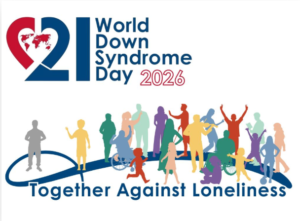
The theme for 2026, “Together Against Loneliness,” calls on us to reflect on a reality that many persons with Down syndrome and their families still experience. Loneliness rarely begins suddenly in adulthood. In many cases, its roots can be found much earlier, shaped by the attitudes, systems, and opportunities available to families from the very beginning. For some families, this sense of isolation can begin even before a child is born. Advances in prenatal screening have made it possible to detect the likelihood of Down syndrome during pregnancy. While these technologies can help families prepare, they can also be accompanied by discouraging messages or misconceptions that leave parents feeling uncertain or unsupported when making important decisions about their child.
This reality invites us to reflect on the values that guide our societies. Down syndrome is not a disease; it is a genetic condition and a form of disability. Children with Down syndrome, like all children, are born with the same inherent dignity and the same right to life, opportunity, and belonging. When a child with Down syndrome is born, parents should never feel that they must face the journey alone. Families need access to clear information, emotional support, and guidance from the earliest stages. Empowering parents during pregnancy, at birth, and throughout the upbringing of their child is essential. When families receive the right support, they gain confidence and the ability to nurture the potential of their children.
Early intervention services, inclusive education, and accessible healthcare are fundamental in supporting the development and well-being of children with Down syndrome. At the same time, communities must ensure that children have opportunities to participate in everyday life—in schools, recreational activities, cultural spaces, and community events—where friendships and social connections are built. Governments also have a critical responsibility in this process. National policies and support systems must ensure that families have access to the services they need without facing financial or structural barriers.