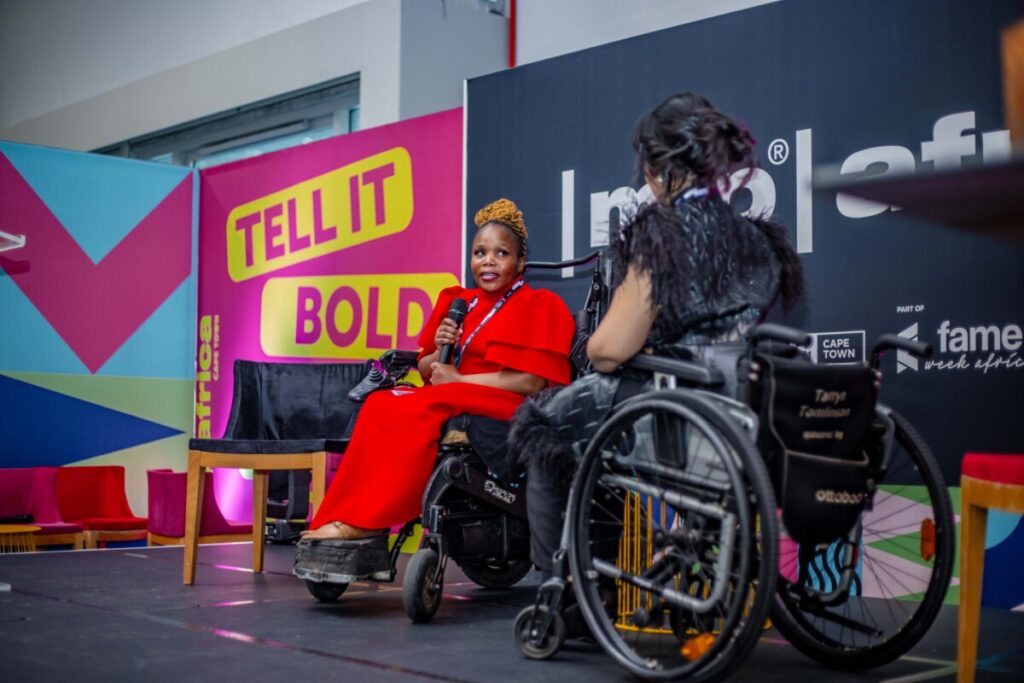
The Inclusive Lens Awards are a pioneering celebration dedicated to honouring and elevating the voices that enrich our screens and our lives through diversity and inclusion

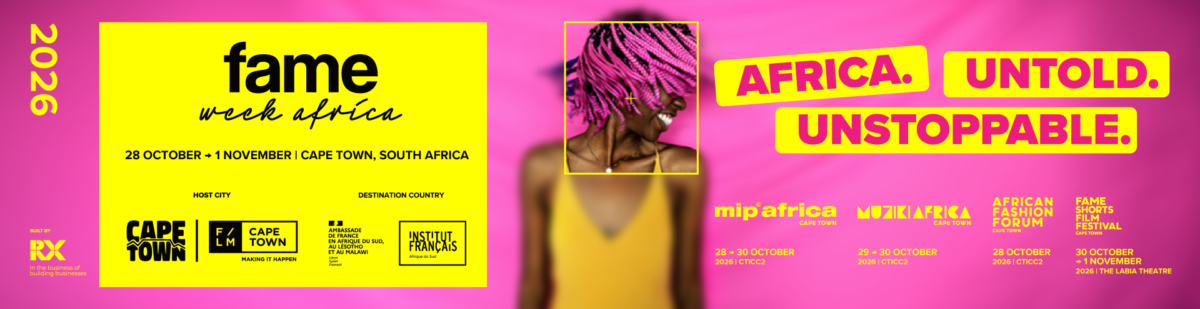
African stories of disability, LGBTQIA+ identity and diversity in children’s programming take centre stage as the Inclusive Lens Awards return to Cape Town
FAME Week Africa has announced the finalists for the 2026 Inclusive Lens Awards, celebrating film and television productions that are helping reshape representation on African screens.
Taking place on 29 October 2026 during FAME Week Africa the Inclusive Lens Awards recognise stories that challenge stereotypes, broaden perspectives and place authentic lived experiences at the heart of storytelling.
The 2026 finalists of the Inclusive Lens Awards span three areas of representation: Disability Representation, LGBTQIA+ Representation, and Diversity & Inclusion in Kids Programming, across scripted and unscripted film and television.
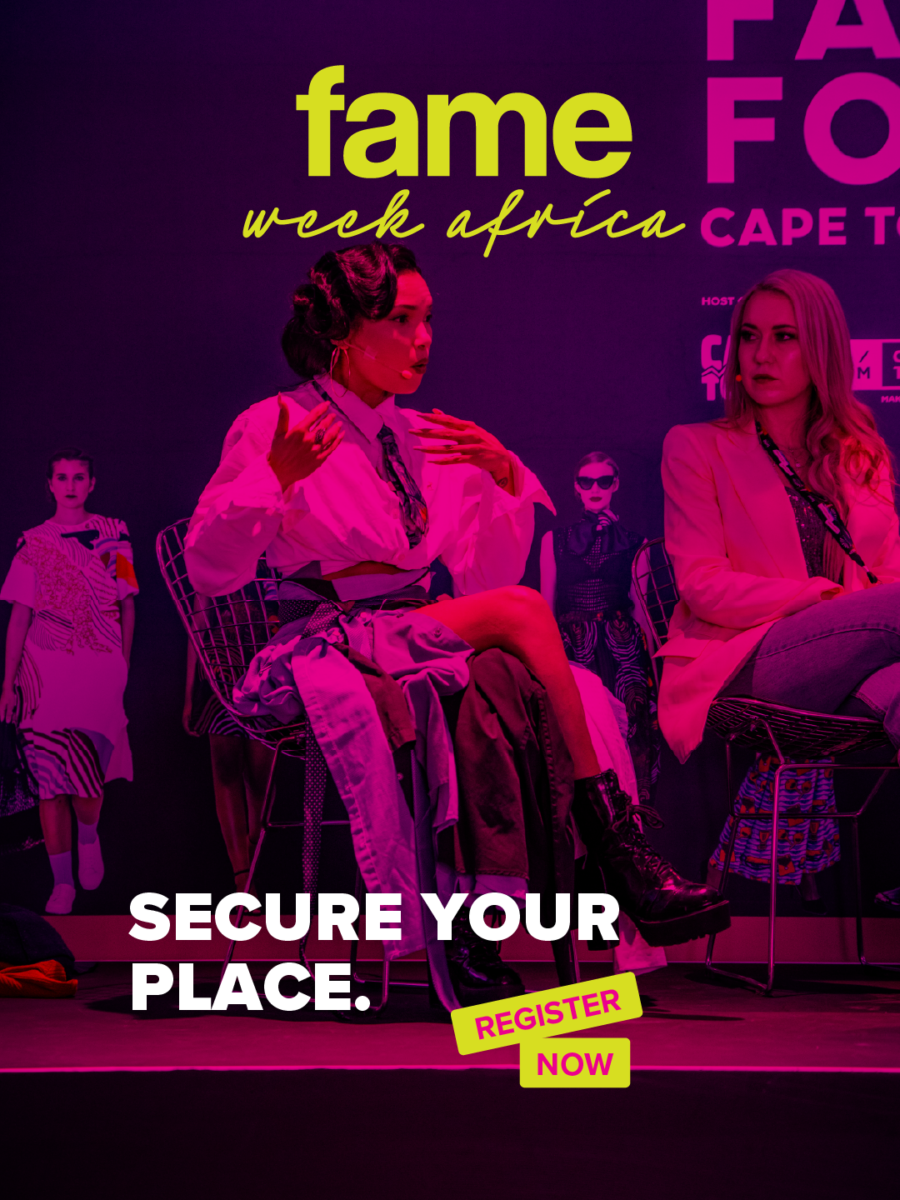
From a Deaf teenager at the centre of a South African crime thriller and a blind Afrikaaps hip-hop storyteller reclaiming his own narrative, to Black queer coming-of-age stories, drag culture, African history and children hearing globally loved characters speak in African languages, this year’s finalists demonstrate the extraordinary range of what inclusive storytelling can look like.
“The Inclusive Lens Awards were created because representation matters, but authentic representation matters even more,” says Martin Hiller, Portfolio Director of FAME Week Africa. “What excites me about this year’s finalists is the sheer range of stories. Inclusion isn’t a genre and it shouldn’t sit on the margins of our industry. It belongs in thrillers, comedies, documentaries, children’s animation, reality television, historical epics and everything in between. These finalists show what happens when we widen the lens and allow different people to be seen as complete, complex human beings.”
THE 2026 INCLUSIVE LENS AWARDS FINALISTS
· Diversity & Inclusion in Kids Programming – Pre-School The finalists are Bluey – African Language Localisations (UK), Hadu (Nigeria) and Jabu’s Jungle: The Best of Africa! (South Africa). Together, the finalists celebrate the importance of children seeing and hearing Africa reflected in the content they consume, from African languages and everyday family life to local environments, cultures, wildlife and traditions.
· Diversity & Inclusion in Kids Programming – Older School The finalists are Wandi & Kabz (South Africa) and Eyes of Wakanda (USA). Together, the finalists place African history, heritage, identity and possibility at the centre of stories for older children, giving young audiences opportunities to encounter African heroes, cultures and perspectives through imaginative, globally relevant storytelling.
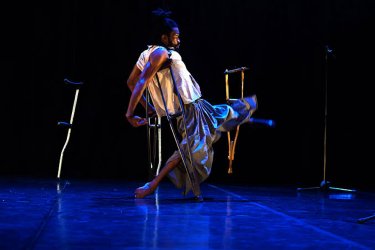
· Disability Representation – Non-Scripted Film The finalists are Amigo the Griot (South Africa), Concerto (South Africa) and
Amazina Mbuyaga (Uganda). Together, the films challenge limiting perceptions of disability through deeply personal stories of creativity, artistry, identity and self-expression, placing agency and lived experience at the centre of their narratives.
· Disability Representation – Scripted Film The finalists are ThisAbility (South Africa), Nkanyezi (South Africa) and Melusi (South Africa). Together, the films move disability representation beyond conventional narratives of limitation, exploring autonomy, family, ambition, identity and survival while presenting disabled characters as complex individuals with agency over their own stories.
· Disability Representation – Scripted Series The finalists are Bad Influencer (South Africa), Scandal! (South Africa) and Shaka iLembe – Season 2 (South Africa). Together, the series demonstrate different approaches to disability inclusion, from neurodivergence within family life to authentic disability casting and the inclusion of disabled performers within mainstream contemporary and historical African storytelling.
· LGBTQIA+ Representation – Non-Scripted Feature
The finalists are Sonder (South Africa), Queezy Visits the Racers (South Africa) and Eyes To See (South Africa). Together, the documentaries explore queer African identity through distinctly different lenses, encompassing Black Zulu masculinities, queer and Coloured identity, spirituality, Indigenous knowledge, gender fluidity and the relationship between identity, culture and belonging.
· LGBTQIA+ Representation – Scripted Feature
The finalists are Black Burns Fast (South Africa), Khaki Fever (South Africa) and Everything Between Us (South Africa). Together, the films expand representations of queer life on African screens through stories encompassing first love and self-discovery, sex-positive comedy and queer grief, allowing LGBTQIA+ characters to experience joy, desire, vulnerability, loss and the full complexity of human relationships.
· LGBTQIA+ Representation – Non-Scripted Series The finalists are Beaulah: Queens van die Kaap – Season 2 (South Africa), Pride: The Queer Show (South Africa) and The Way Ngingakhona – Season 5 (South Africa). Together, the series create space for LGBTQIA+ people to share their own experiences, exploring identity, relationships, community, culture and equality while reflecting the richness and diversity of contemporary queer lives.
· LGBTQIA+ Representation – Scripted Series
The finalists are The Morning After (South Africa), Youngins – Season 3 (South Africa) and Blood Legacy (South Africa). Together, the series demonstrate the breadth of LGBTQIA+ representation within mainstream African television, exploring queer love, identity, friendship, family, culture and belonging while allowing LGBTQIA+ characters to exist as integral parts of larger, layered narratives.
For more information on these productions and why they were selected at the Inclusive Lens Awards, click here.