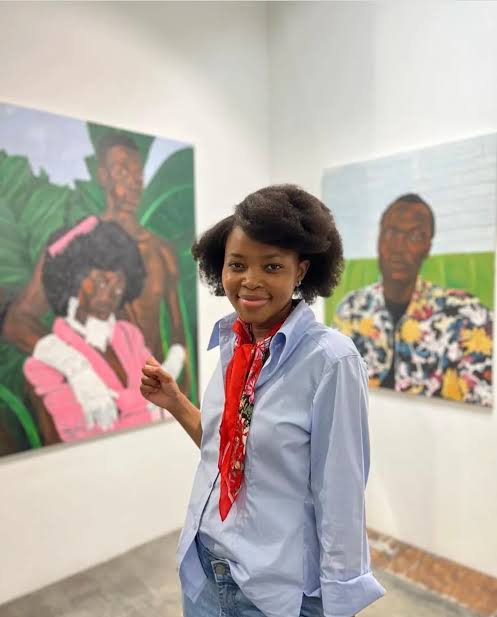
Ntokozo Kalako writes on Xhosa initiation for neurodiverse boys


Neurodiverse Inclusivity: A call for cultural evolution, not cultural erasure
25 December 2025-Cape Town: It is initiation season, and many Xhosa families are in the middle of one of the most significant cultural milestones in our tradition: ulwaluko.
For generations, this rite of passage has symbolised dignity, responsibility, and the transition into manhood.
But for parents raising boys with neurodiverse conditions like autism, whether diagnosed or still undiagnosed, the season brings more anxiety than celebration. It forces us into a painful crossroads between honouring tradition and protecting a child whose world is shaped by sensory sensitivities, communication differences, and medical needs that are often invisible to the untrained eye.

As a mother, an autism advocate, and a proud Xhosa woman, I have learnt that two truths can coexist: our culture is sacred, and our children’s safety must never be negotiable.
The emotional labour we hardly speak about
Parents of neurodiverse boys often experience a silent heartbreak. We fear being judged as “overprotective, “too modern, or “disrespectful to tradition, while inside we are balancing life-or-death considerations.
For neurodiverse children with autism, unfamiliar spaces, abrupt routine changes, loud environments, and discomfort from pain can quickly escalate into distress. Yet, in the initiation context, boys are often expected to “toughen up” or “adapt” without regard for neurological differences.
We also know that many of our neurodiverse children struggle to articulate pain, discomfort, or danger. Imagine a child who cannot verbalise infection symptoms, sensory overload, or fear, and then imagine them in a high-pressure environment without medical support.
This is the emotional burden carried quietly by thousands of parents like me.
What needs to change and why change is not an attack on culture
Reform is not disrespect.
Reform is cultural stewardship.
For ulwaluko to serve all Xhosa boys, including those who have autism, it must evolve. Here are the core changes we urgently need:
1. Mandatory neurodiverse and disability training for caregivers (Amakhankatha)
Every caregiver should understand the signs of neurodiverse sensory overload, anxiety, non-verbal communication, and meltdowns, not confuse them with defiance or disrespect.
2. Medical screening and intervention protocols
Before initiation, boys with developmental or medical needs should be assessed, not disqualified, but supported appropriately.
3. Specialised initiation centres for children with chronic needs
Just as hospitals have specialised wards, initiation schools could have culturally respectful centres with trained caregivers and health professionals.
4. Regulations on hygiene, medication, and chronic illness management
Pain, infection risk, and stress are already high. Adding unmanaged ADHD medication, epilepsy treatment, asthma pumps, or anxiety medication to the mix can lead to serious complications.
Reforming the system protects lives and strengthens the sustainability of the tradition itself.
Is it worth the trauma for children with special needs?
This is the question many are too afraid to ask openly.
For some boys with autism, initiation, when supported, adapted, and medically supervised, may be possible. For others, the process could trigger extreme distress, psychological trauma, or physical harm.
The issue is not whether culture should exist.
The issue is whether the current form of the practice can safely hold children with:
• Sensory processing challenges
• Rigid routines
• Limited verbal communication
• High medical dependence
• Anxiety disorders
• Learning differences
If the answer is no, then forcing the child becomes an act of cultural coercion, not cultural pride.
The unanswered question: What happens to chronic medication?
Right now, there is no standardised system across initiation schools for:
• Storing chronic medication
• Administering it on schedule
• Monitoring side effects
• Documenting dosage
• Ensuring medical continuity throughout the process
This is not just a logistical concern.
It is a safety issue that places neurodiverse and chronically ill children at unacceptable risk.
Parents should not have to choose between tradition and their child’s physical health.
Are initiation schools trained to care for special needs children?
The honest answer is no, not consistently, not formally, and not in a way that reflects the realities of neurodevelopmental conditions.
Traditional caregivers hold deep cultural wisdom, but they are not trained in:
• Autism spectrum disorder
• ADHD
• Intellectual disabilities
• Sensory dysregulation
• Non-verbal communication
• De-escalation of meltdowns
• Medical red-flag symptoms
Expecting them to manage these without support is unfair to the boys and unfair to the caregivers themselves.
This is not a rebellion against culture. It is an invitation to evolve
As Xhosa people, we have always adapted. We do not abandon culture; we refine it to fit the times.
Boys with neurodiverse conditions deserve to be initiated into manhood in ways that honour who they are, not who tradition assumes they are. Our sons should not have to survive the process; they should be supported through it.
And parents should not have to carry this emotional battle alone.
A path forward
If cultural, medical, and disability leaders collaborate, South Africa could become a global example of how tradition and neurodiversity coexist with dignity. We could build initiation systems that are safe, informed, medically supported, and emotionally appropriate for every
child.
Our sons deserve to enter manhood without fear. Our culture deserves to thrive without risking lives.
Both are possible if we are willing to talk, listen, and evolve.
About Ntokozo Jay Kalako
Ntokozo Kalako is a South African Public Relations (PR) and communications professional known for her work in the industry and for being an advocate and mother of a child with autism, openly sharing her experiences balancing corporate life with parenting.