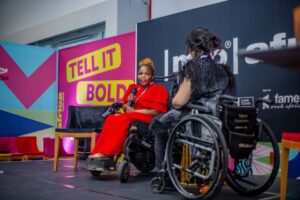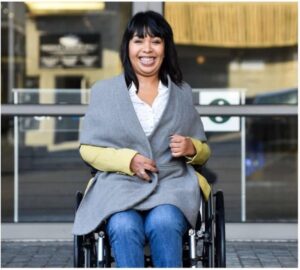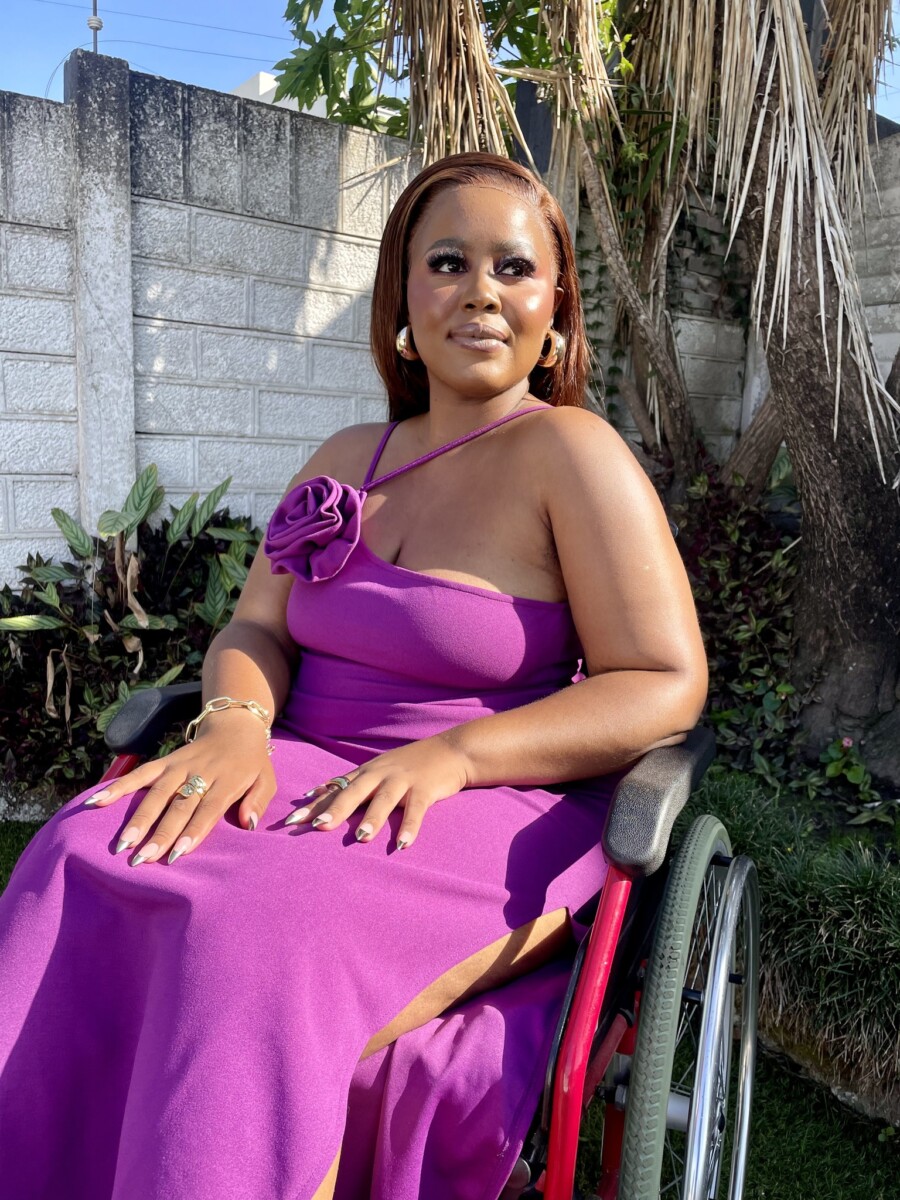
Thembi Ngcai's project, The Cost of Arrival, is one of the films funded by the NFVF

NFVF’s targeted funding is essential for inclusion and participation
By Simon Manda
Johannesburg – The National Film and Video Foundation (NFVF) has announced funding approvals for its “Fully Inclusive” call – a dedicated initiative inviting persons with disabilities to submit proposals for short fiction and documentary films. Six projects have each been awarded R250,000 in production funding for the 2025/26 financial year, totalling R1.5 million towards storytelling led by persons with disabilities.
The call, which closed in November 2025, invited filmmakers with disabilities to pitch short concepts of five to ten minutes. Submissions could be made in written or video format to ensure accessibility.
The Approved Projects
The six NFVF-approved projects are Eye of Inclusion (Simphiwe Conco, Looking Together Project); Ixoxwa Ngezithombe (Bandile Mnguni, Play-Dough Pictures); The Vision Thing (Patience Zama-Mjamba, Zodiac Enterprises); Moruti Regi – The Unseen Healer (Reginald Ramabulana, Bvelani Khagala Trading); The Cost of Arrival (Thembelihle Ngcai, Beyond Access Consulting); and The Night Watcher (Sinethemba Mtati, Skara Green Films).
Among the recipients is Thembelihle Ngcai, an award-winning disability rights advocate, qualified journalist, and health equity strategist from East London in the Eastern Cape. Ngcai, who has Spinal Muscular Atrophy, serves as Chairperson of Disabled Youth South Africa (Eastern Cape Chapter) and has addressed Parliament and contributed to G20 engagements on rare disease policy. She was named a Young Mandela of the Future in 2025 and nominated among the world’s most impactful leaders with disabilities by Diversability. Her project, The Cost of Arrival, secured funding through Beyond Access Consulting.
“Last year I wrote a film called ‘The Cost of Arrival’, and now I’m pleased to share that my film has been approved for R250,000 in production funding from the NFVF. I’m so grateful for the chance to bring this story to the screen,” said Ngcai.
DAWN Welcomes the Milestone
The Disabled Audiovisual Workers Network (DAWN), co-founded by Karen Jeynes and Simon Manda in 2024, has welcomed the announcement by the NFVF. Jeynes, an evaluator for the NFVF who sat as an adjudicator for the Fully Inclusive funding round, called the initiative a meaningful shift. Manda also sat as an observer on the final adjudication process round.
“These six projects are not about charity – they’re about recognising that persons with disabilities have stories worth telling and the talent to tell them,” said Jeynes. “I was privileged to be part of the adjudication process, and the calibre of submissions confirmed what we’ve always known: the talent exists. What’s been missing is the opportunity.”
DAWN was launched at the Durban FilmMart (DFM) in July 2024 to unite audiovisual professionals with disabilities and advocate for industry inclusion. Its objectives include lobbying for better representation of persons with disabilities on and off-screen, making the industry more accessible, and working with funding bodies to embed inclusion into policy and contracts.
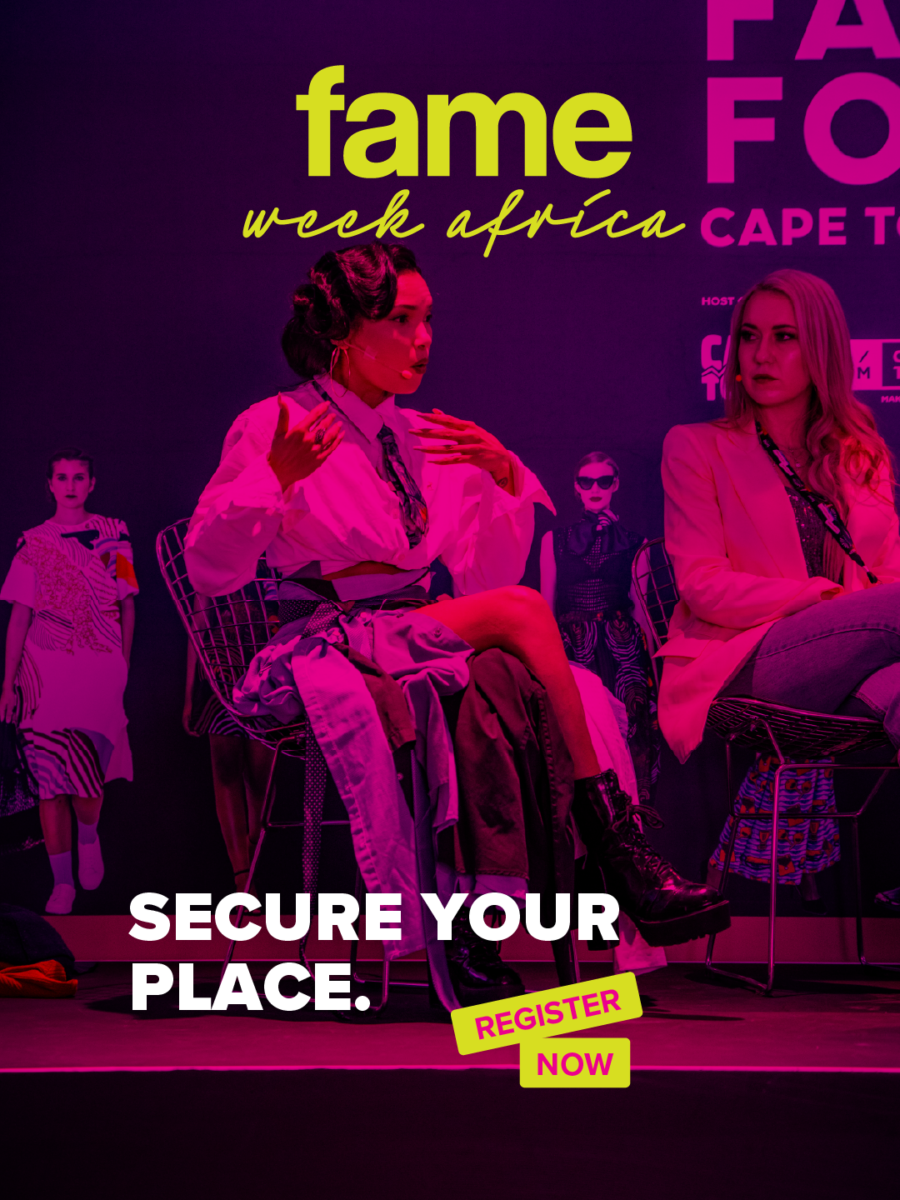
Since its launch, DAWN has built key partnerships. The South African Guild of Actors (SAGA) collaborated on an industry accessibility manual. Emmy-nominated casting director Richard Lothian created the Disabled Actors Database with DAWN and SAGA to connect casting professionals with actors with disabilities. FAME Week Africa has hosted the Disability Inclusion Plenary since 2023 and introduced the Inclusive Lens Awards in 2024. Jeynes received the inaugural champion award at the 2025 ceremony in Cape Town.
Why This Funding Matters
Globally, an estimated 1.3 billion persons with disabilities make up one of the world’s largest minority groups, yet on-screen representation remains dire. A 2024 Ruderman Family Foundation and Geena Davis Institute study found just 3.9% of characters in US scripted television had a disability, with only about 21% authentically cast. In South Africa, Statistics South Africa reports a disability prevalence of 7.5% – widely considered an undercount. Despite this, representation of persons with disabilities in local film and television remains negligible, and creatives with disabilities face systemic barriers to employment.
Targeted funding, like NFVF’s, changes this. When filmmakers with disabilities are backed to tell their own stories, the result is more authentic content and a growing pipeline of skilled professionals – from writing and directing to producing, editing, and sound design.
A Call for Partnership
DAWN calls on film festivals, funding bodies, broadcasters, and production houses to recognise disability as a priority for inclusion. This means programming content by persons with disabilities at festivals, ring-fencing funding for creatives with disabilities, employing persons with disabilities across production departments, and ensuring industry spaces are accessible.
The NFVF’s Fully Inclusive initiative proves that change is possible when institutions commit resources. DAWN urges other stakeholders to follow suit.