Siyaphambili is creating infrastructure for the benefit of persons with disabilities

Siyaphambili Project is creating infrastructure where traditional support has failed
By Thembelihle Ngcai
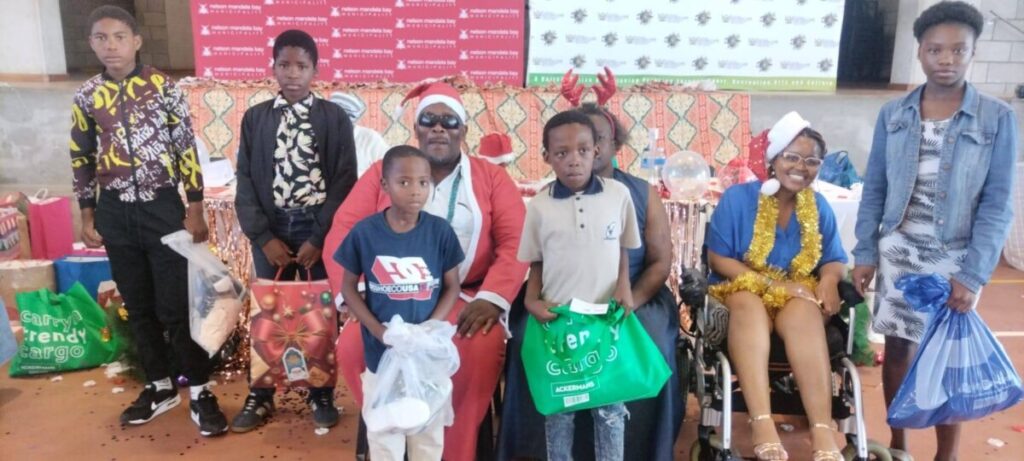
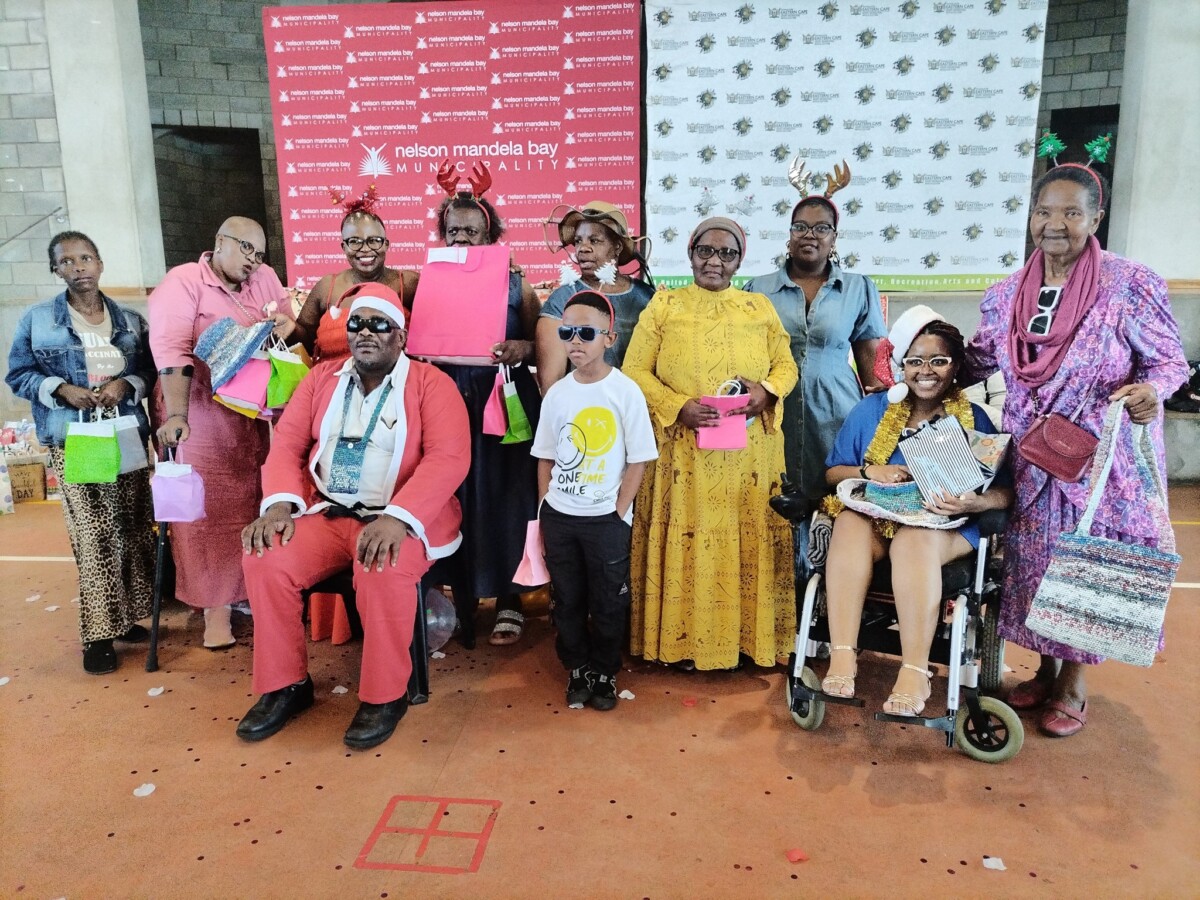
My recent visit to the Walmer location in Gqeberha, where I spoke at the Siyaphambili Disability Community Project’s Christmas party, felt like standing inside two realities at once. The multi-purpose hall was full of children laughing, parents exhaling, and volunteers moving with purpose. Yet beneath the music and the food and the joy, there was a quieter truth sitting right beside us: this entire celebration existed because persons with disabilities made it exist.
Siyaphambili was founded by Mr. and Mrs. Nonimba, a blind couple who have spent years doing what the state should have done. Long before development agencies or funders ever noticed, they were moving door to door in Walmer, gathering children with disabilities who had been forgotten by the systems meant to protect them. Their vision was simple: to bring Christmas to children who had never felt it, not because their families didn’t love them, but because society had already decided that disability was something to hide, not to celebrate.

They started with fewer than 40 children. Today they reach 130.
No government budget line explains this growth. No official program to account for the years they have carried this work on their backs. What Siyaphambili has built is what I have come to call our shadow infrastructure.
Shadow infrastructure is the support system that persons with disabilities create when the official one collapses. It is what grows in the cracks of inequality. It is a network held together by love, instinct, and the refusal to abandon one another. It is invisible enough to be ignored, yet
essential enough that entire communities would collapse without it.
Standing there, watching children open gifts and watching caregivers contain their joy, I realised again how complicated privilege becomes when you have a disability. We often describe privilege in simple terms: education, networks, and access. But for many of us, privilege is layered. It is the ability to transcend certain barriers while still living inside the inequality that shaped us. It is having a platform while that same platform is used to convince others that you no longer need help. It is being visible enough to be praised but not supported.
As a leader with a disability, bringing donors to Siyaphambili was a gift I could offer. But it was also a reminder of the paradox we live inside. We are the ones who constantly fill the gaps, yet we are also the ones whose needs are consistently overlooked because we appear to be coping. We appear to be strong. We appear to have it all held together.
People see the shine and assume there are no cracks.
The tragedy is that our ability to help becomes the excuse for why the state does not. The children smiled, so everything must be fine. The wheelchair users organised the party, so they do not need anything. The blind couple is leading the charge, so the system must be working. But the truth is that every act of hope at Siyaphambili came from someone who is unsupported, under-recognised and navigating the same structural barriers as the families they serve.
If we were to choose ourselves for once, if we were to say we need rest or resources or protection before giving more, the consequences would be immediate. The children would be sadder. Families would be more isolated. Some children might not survive the year. That is the weight we carry, the impossible choice that keeps many of us from ever turning inward.
And so we keep going. We build, we give, we uplift, because the alternative feels unbearable. Who among us can live with the knowledge that our rightful fight for structural equality might leave a child without joy or a parent without support? Who can survive that sight in the mirror?
And for how long can we survive like this?
Our shadow infrastructure is powerful, but it is also fragile. It is built on unpaid labour, unspoken grief, and a level of sacrifice that no community should be expected to sustain forever. The country applauds us without ever asking what keeps us standing.
Siyaphambili reminded me of the beauty of what persons with disabilities build for each other. It also reminded me of the danger. Because if we collapse, there is nothing underneath us. If we disappear, the children disappear with us.
And that is the truth South Africa must reckon with.
About Thembelihle Ngcai
Thembelihle Ngcai is a 31-year-old award-winning disability rights advocate and public sector leader from East London, Eastern Cape. A qualified journalist and health equity strategist, she transforms lived experience as a Black disabled woman into systemic change. As Chairperson of Disabled Youth South Africa (EC Chapter), she drives policy reform across government and global health forums. Named a Young Mandela of the Future 2025 and nominated among the world’s most impactful disabled leaders by Diversability, Thembelihle has addressed Parliament, contributed to G20 engagements, and shaped rare disease policy internationally. She champions intersectional justice through participatory governance and community mobilisation.